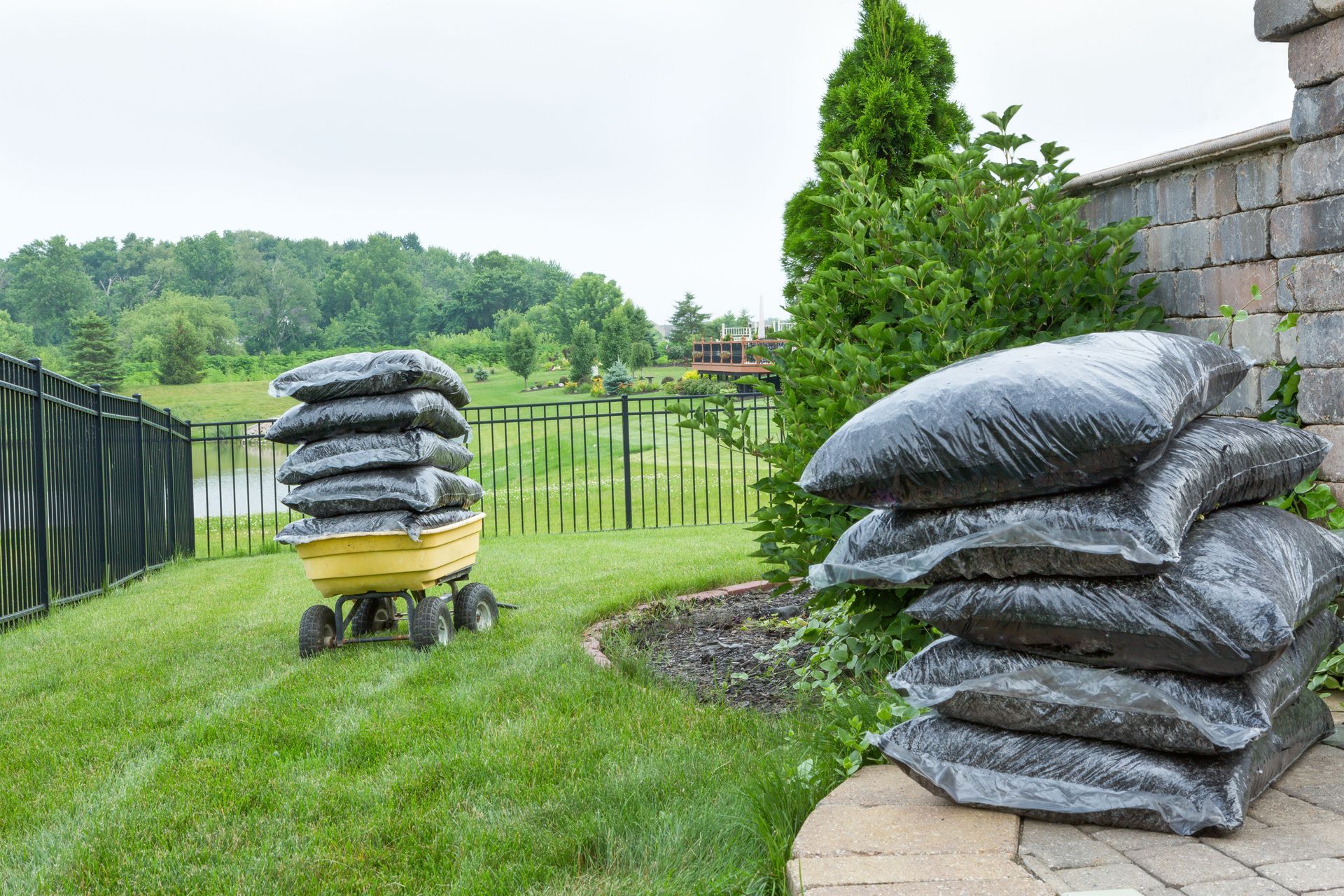
In the world of landscaping and gardening, selecting the most suitable mulch services can make a measurable difference in the health, efficiency, and appearance of your outdoor space. Mulching is far more than a finishing touch—it is a foundational practice that supports plant vitality, soil structure, moisture balance, and overall landscape design. Choosing the right provider means looking beyond simple material delivery and focusing on long-term performance, seasonal needs, and compatibility with your specific property goals.
Mulch plays a central role in plant health by forming a protective barrier over the soil. This layer reduces evaporation, allowing moisture to remain available to plant roots for longer periods. During hot summer months, this moisture retention reduces plant stress and helps prevent wilting. In colder seasons, mulch acts as insulation, buffering roots from extreme temperature fluctuations. When organic materials break down, they contribute nutrients back into the soil, gradually improving fertility and structure. According to LawnStarter, organic mulch should be replaced every one to two years. This natural cycle of decomposition keeps soil productive and supports steady plant growth over time.
Beyond moisture control and temperature regulation, mulch limits soil erosion and compaction. Heavy rainfall can wash away exposed topsoil, but a properly installed mulch layer helps anchor soil in place. At the same time, it reduces surface crusting, allowing water to penetrate more effectively. Healthier soil structure leads to stronger root systems, which in turn produce more resilient plants.
Weed suppression is another major advantage. By blocking sunlight from reaching weed seeds, mulch reduces germination and unwanted growth. Fewer weeds mean less competition for nutrients and water, allowing ornamental plants, shrubs, and garden beds to thrive. Investing in professional mulch services supports plant development while simplifying ongoing landscape maintenance.
Comparing Organic and Inorganic Mulch Options
Understanding the difference between organic and inorganic mulch is essential when selecting the right solution for your property. Organic mulch includes materials such as bark, wood chips, shredded leaves, pine needles, and straw. These materials gradually decompose, enriching the soil with organic matter and improving its structure over time. As decomposition occurs, beneficial microorganisms become more active, contributing to long-term soil health.
Inorganic mulch includes gravel, stone, rubber, and landscape fabric. These options do not break down and therefore do not add nutrients to the soil. However, they offer durability and longevity, making them suitable for decorative beds, high-traffic areas, or modern landscape designs. Inorganic materials typically require less frequent replacement, which can reduce maintenance in specific applications.
Each option offers distinct advantages. Organic mulch supports soil improvement and plant nutrition but requires periodic replenishment. Inorganic mulch provides long-term coverage and visual consistency but lacks soil-building properties. When evaluating mulch services, it is important to discuss which material aligns with your landscape goals, plant types, and maintenance preferences.
Selecting the Right Mulch for Your Plants and Property
Different plants have different needs, and the right mulch should complement those requirements. Acid-loving plants such as azaleas, hydrangeas, and blueberries benefit from pine-based mulches that gradually lower soil pH. Vegetable gardens often respond well to straw or composted materials that contribute nutrients during the growing season. Ornamental trees and shrubs may thrive under hardwood bark that offers both insulation and weed control.
Climate and sun exposure also influence the best choice. In hot regions, lighter-colored mulch can reflect sunlight and help keep soil temperatures lower. In cooler climates, darker mulch absorbs heat and can promote earlier spring growth. The depth of application matters as well—too thin and weeds may break through; too thick and plant stems may retain excess moisture.
Professional mulch services typically assess these variables before recommending a material. By matching mulch type to plant species, soil condition, and seasonal demands, providers create a more balanced and productive landscape. The goal is not simply coverage, but compatibility and performance.
Planning Seasonal Mulching for Year-Round Protection
Mulching is not a one-time task; it is a seasonal strategy that supports landscape health throughout the year. In spring, fresh mulch helps suppress emerging weeds and retain moisture as plants enter their active growth phase. Spring applications often focus on replenishing organic matter and restoring a clean, polished appearance after winter weather.
During summer, mulch becomes a defense against heat stress and rapid evaporation. A well-maintained layer stabilizes soil temperatures and reduces watering frequency. This conservation effort supports both environmental sustainability and household utility savings.
In the fall, mulch prepares plant beds for colder conditions by insulating roots against freezing temperatures. Protecting root systems during winter improves plant survival and encourages strong growth in the following season. Some homeowners choose to refresh mulch again in late fall to maintain appearance and coverage through snow and frost.
Quality mulch services often include seasonal evaluations and maintenance recommendations. By adjusting application timing and thickness throughout the year, they help landscapes remain healthy and visually appealing in every season.
Evaluating the Quality and Sourcing of Mulch Materials
Not all mulch materials are created equal. The source, processing method, and age of mulch can affect performance and appearance. High-quality mulch should be free of contaminants, excessive debris, and signs of mold or rot. Consistency in size and texture also contributes to even coverage and a polished look.
Locally sourced mulch can offer advantages in both cost and environmental impact. Materials produced from regional tree trimming or forestry operations often adapt well to local soil conditions. Some suppliers screen and age their mulch to improve color retention and reduce the likelihood of nitrogen depletion in soil.
Professional mulch services typically have established relationships with reputable suppliers. They understand which materials perform best in specific climates and applications. When evaluating providers, ask about sourcing practices, storage methods, and how frequently materials are refreshed. These details directly influence how long the mulch will maintain its color, structure, and effectiveness.
Assessing Experience, Communication, and Service Scope
Choosing the right mulch services involves more than selecting materials; it also requires evaluating the provider's approach to customer service and project execution. A strong company reputation often reflects consistent workmanship and clear communication. Online reviews, referrals, and before-and-after project photos can provide helpful insight into service quality.
A thorough consultation is another key indicator. Providers should take time to assess their landscape, discuss plant types, evaluate drainage conditions, and recommend appropriate mulch depth. Clear explanations and transparent pricing demonstrate professionalism and organization.
It is also important to understand the full scope of services offered. Some companies focus solely on delivery and installation, while others include edging, bed preparation, weed removal, and seasonal refreshes. Bundled services can simplify maintenance and create a more cohesive appearance across the property.
Selecting the right mulch services requires thoughtful consideration of materials, plant compatibility, seasonal timing, and provider qualifications. Mulch contributes to moisture retention, soil enrichment, weed suppression, erosion control, and visual appeal. When installed correctly and maintained consistently, it becomes one of the most effective tools in landscape management.
A carefully chosen provider will help you balance functionality with design, offering guidance tailored to your property's specific needs. From selecting organic or inorganic materials to planning seasonal applications, every detail contributes to healthier soil and stronger plants.
If you are ready to improve the health and appearance of your landscape, now is the time to take action. Contact a professional
mulch services provider at SuperScape Supply to schedule a consultation, discuss your goals, and create a plan that supports long-term growth and curb appeal.