Exploring the importance of mulch in gardening and agriculture, focusing on its role in soil moisture retention. Mulching is an age-old technique that significantly impacts soil health and plant growth. It creates an environment conducive to water conservation, thus proving vital in areas facing water scarcity. As the global climate shifts and challenges arise, the role of mulch becomes even more critical. By delving into the various aspects of mulching, we can understand its importance across different ecosystems and cultivation practices.
1. Understanding Mulch: A Brief Overview
1.1 Types of Mulch
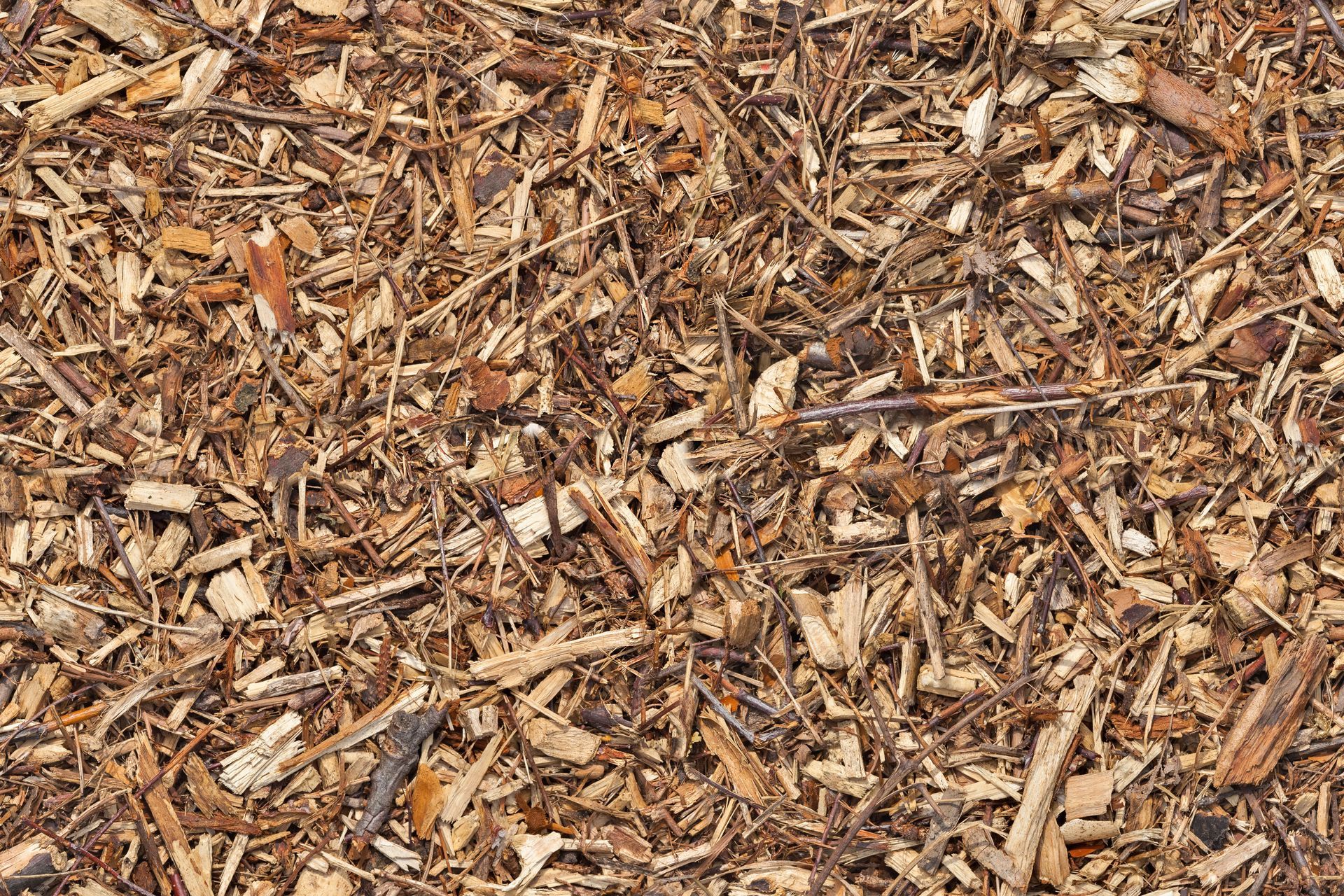
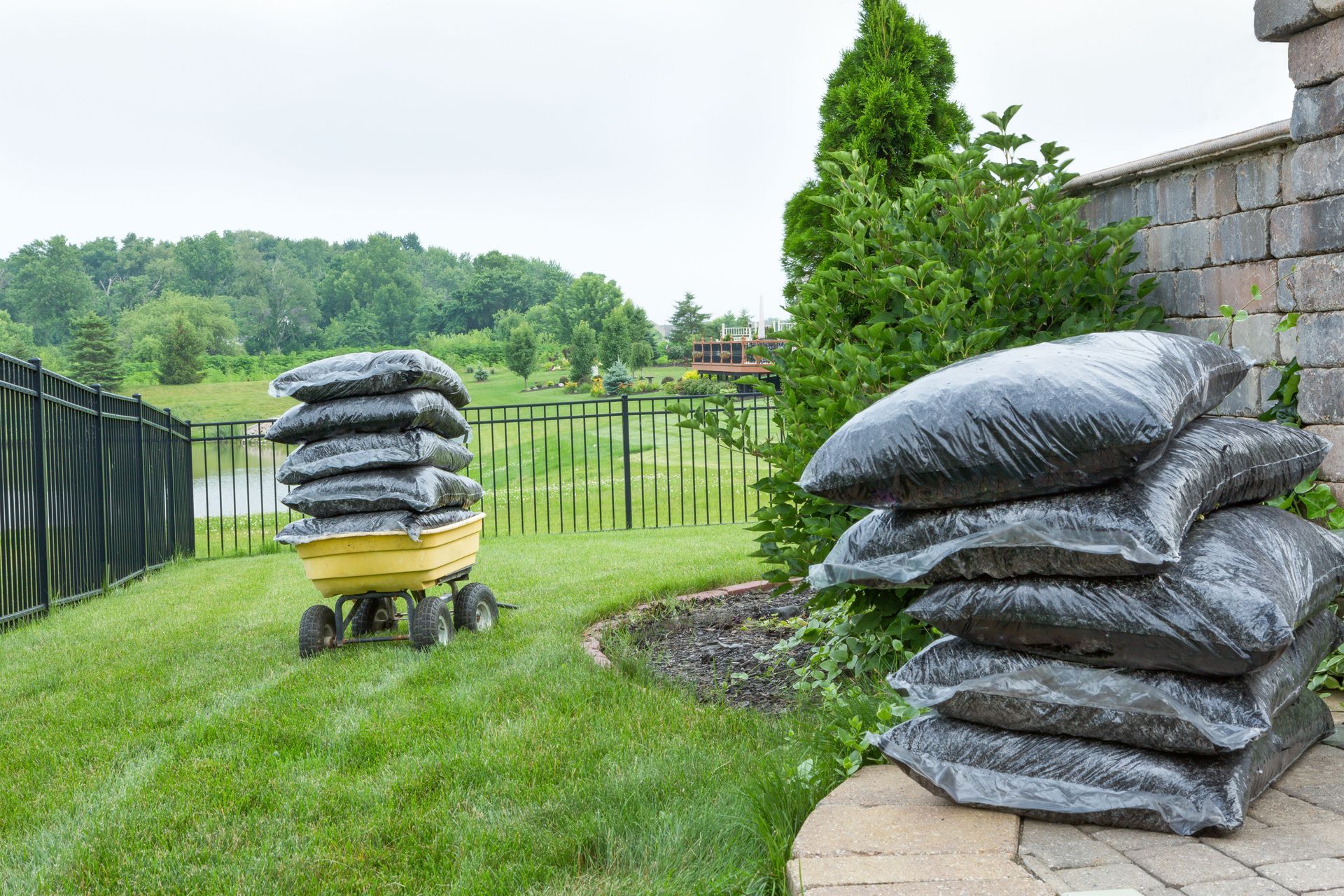
Mulch can be categorized into two main types: organic and inorganic. Organic mulch consists of natural materials like wood chips, straw, leaves, and grass clippings. These materials decompose over time, enriching the soil with essential nutrients. In contrast, inorganic mulch includes materials like plastic sheeting, rocks, and rubber. While these do not decompose, they are effective in providing a consistent cover to retain soil moisture.
Each type of mulch offers distinct advantages and is selected based on specific gardening needs and objectives. Organic mulch enhances soil fertility as it decomposes, thus supporting plant health. Inorganic options are known for their durability and low maintenance. Both types play a pivotal role in retaining moisture and reducing evaporation. The choice largely depends on the desired outcome in terms of soil health and maintenance.
1.2 History and Evolution of Mulch Use
The practice of mulching dates back thousands of years, with records indicating its use in ancient agricultural systems. Early farmers realized the benefits that mulch provided in protecting and enhancing soil health. Over time, as agricultural practices evolved, the use of mulch became more sophisticated and scientifically informed. Today, both traditional and modern techniques incorporate mulching to maximize productivity and sustain the land. The evolution of mulch use reflects a continual adaptation to the needs and challenges faced by cultivators throughout history.
With the global push towards sustainable farming practices, mulching has seen a resurgence in interest. The modern mulching industry, according to FactMR, will be worth $8.42 billion by 2034, highlighting the economic significance and demand for effective mulching solutions. This growth is driven by increasing recognition of its environmental benefits, such as enhancing soil structure and reducing erosion. As challenges like water scarcity and climate change continue to impact agriculture, the ancient wisdom of mulching proves more relevant than ever. By bridging traditional practices with modern innovations, mulching continues to evolve as a boon for agriculture worldwide.
1.3 Benefits Beyond Moisture Retention
While the primary focus of mulching remains moisture retention, its benefits extend far beyond just water conservation. Mulch acts as a natural temperature regulator, insulating the soil against extreme cold and heat. This temperature moderation is crucial for maintaining soil health and promoting consistent plant growth throughout different seasons. Additionally, mulch serves as an effective weed suppressant, minimizing competition for resources among plants. By creating a barrier, it deters weed growth and reduces the need for herbicides, contributing to a more organic approach in gardening and farming.
Another significant advantage of mulching is its role in preventing soil erosion. By anchoring the soil, mulch protects it from being washed away by rain or blown away by wind. This is particularly important in areas prone to erosion, as it preserves the topsoil, which contains vital nutrients necessary for plant growth. When used correctly, mulch improves soil structure by enhancing soil porosity and texture, making it easier for roots to establish. These additional benefits make mulch a versatile tool in sustainable gardening and farming, supporting soil and plant health.
2. Mechanisms of Moisture Retention
2.1 Reduction of Evaporation
Mulch plays a pivotal role in curbing soil moisture evaporation, a critical factor in maintaining a healthy garden environment. By covering the soil, mulch forms a protective barrier that reduces exposure to sun and wind, two primary drivers of evaporation. This preservation of moisture is significant, especially in arid regions where water is a limited resource. Mulch acts by minimizing direct contact between soil and the elements, thus maintaining an optimal moisture level that plants can readily access. This function of mulch is essential in conserving water and ensuring plant resilience during dry spells.
Furthermore, in places experiencing harsh climatic conditions, the reduction in evaporation rate due to mulch can help sustain plant life and agricultural productivity. As a result, carefully applied mulch can lead to more stable soil moisture levels, allowing plants to thrive even in less-than-ideal conditions. This conservation of water is environmentally beneficial, reducing the need for frequent irrigation and preserving water resources. By incorporating mulching strategies, gardeners and farmers can effectively manage water usage, which is increasingly crucial in the face of global climate change. This capability of mulch emphasizes its role in sustainably thriving ecosystems.
2.2 Insulation of Soil Surface
In addition to reducing evaporation, mulch serves as an effective insulator for the soil surface. This insulation capability is especially beneficial in maintaining steady soil temperatures across varying climatic conditions. By shielding the soil from extreme heat and cold, mulch creates a more conducive environment for plant roots. In the heat of summer, it prevents soil from overheating, which can otherwise stress plants and impede growth. Conversely, in cold seasons, mulch retains warmth, protecting plant roots from freezing temperatures and ensuring healthy plant development.
This regulation of soil temperature fundamentally supports plant survival and growth by creating a stable microenvironment. As mulch maintains optimal soil temperature, it reduces the likelihood of temperature-induced stress on plant roots, leading to healthier plants and more consistent yields. Such insulation also benefits the soil microorganisms that play a critical role in nutrient cycling and soil fertility. By preserving the viability of these microorganisms, mulch further enhances the overall health and productivity of the soil ecosystem. This dual role of moisture retention and thermal insulation highlights mulch as an invaluable tool in garden and agricultural management.
2.3 Improving Water Absorption
Mulch significantly impacts the soil's ability to absorb and retain water, an essential factor for plant health and productivity. By covering the soil, mulch helps in breaking the impact of rainfall or irrigation, allowing gradual water infiltration. This process optimizes absorption by minimizing runoff and encouraging water to permeate the soil. Such action reduces erosion risks and ensures that water reaches plant roots effectively. As a result, plants experience an improved, stable water supply, contributing to stronger growth and yield.
In addition to aiding water absorption, mulch enhances soil structure, further promoting moisture retention. Over time, as organic mulch decomposes, it adds organic matter to the soil, increasing its porosity and its ability to hold water. This transformation leads to better soil aeration, providing an ideal environment for root development and nutrient uptake. In both urban and rural agricultural settings, these changes significantly reduce the need for artificial soil amendments, promoting a more organic and sustainable approach to gardening. The role of mulch in improving water absorption aligns with broader ecological goals, fostering the sustainability of soil and plant ecosystems.
Mulching remains an essential practice for maintaining healthy, resilient soils and promoting robust plant growth. By reducing evaporation, insulating the soil, and enhancing water absorption, mulch conserves a critical resource while supporting sustainable gardening and agricultural practices. Beyond moisture retention, its benefits in regulating temperature, suppressing weeds, and preventing erosion underscore its versatility and long-term value. As environmental pressures like water scarcity and climate change continue to challenge growers, incorporating mulch offers a practical, cost-effective strategy to protect soil health, improve plant productivity, and create more sustainable ecosystems. Enhance plant health with SuperScape Supply by using top-quality materials that improve soil moisture retention for stronger, more vibrant landscapes. Contact us today!