Daniel Greene | May 19, 2026
May 19, 2026
Understanding the intricacies between mulch and artificial turf is essential for homeowners and landscapers. This article will explore crucial factors such as environmental impact, maintenance requirements, aesthetic appeal, versatility, and longevity of both ground covers, enabling you to make an informed decision for your landscape projects.
Environmental Benefits
Natural Resource Usage
Natural resource usage is a pivotal consideration when choosing between mulch and artificial turf. Mulch, often composed of organic materials like bark, straw, or compost, utilizes recycled natural resources and can contribute positively to the ecosystem. It often comes from trees or other plant matter, which undergoes decomposition and enriches soil health.
Soil Health and Ecosystem Support
Mulch plays an essential role in maintaining soil health by breaking down and adding organic matter to the soil, thereby enhancing its fertility and structure. This process supports a thriving ecosystem of microorganisms, insects, and plants, fostering biodiverse gardens. Mulch improves water retention, prevents erosion, and regulates soil temperature, creating an optimal environment for plant growth.
Water Conservation
Water conservation is an increasingly critical concern in landscaping decisions, especially in arid regions. Mulch significantly contributes to water efficiency by reducing evaporation, thus maintaining moisture levels in the soil and minimizing the need for frequent watering. Through its protective layer, mulch cuts down on water usage and sustains plant health during dry spells.
Impact on Local Biodiversity
Mulch, being composed of natural materials, also attracts beneficial organisms and insects, which contribute to greater biodiversity. This natural habitat supports birds, bees, and other wildlife, providing a rich environment for ecological interactions.
Maintenance Benefits
Regular Upkeep Needs
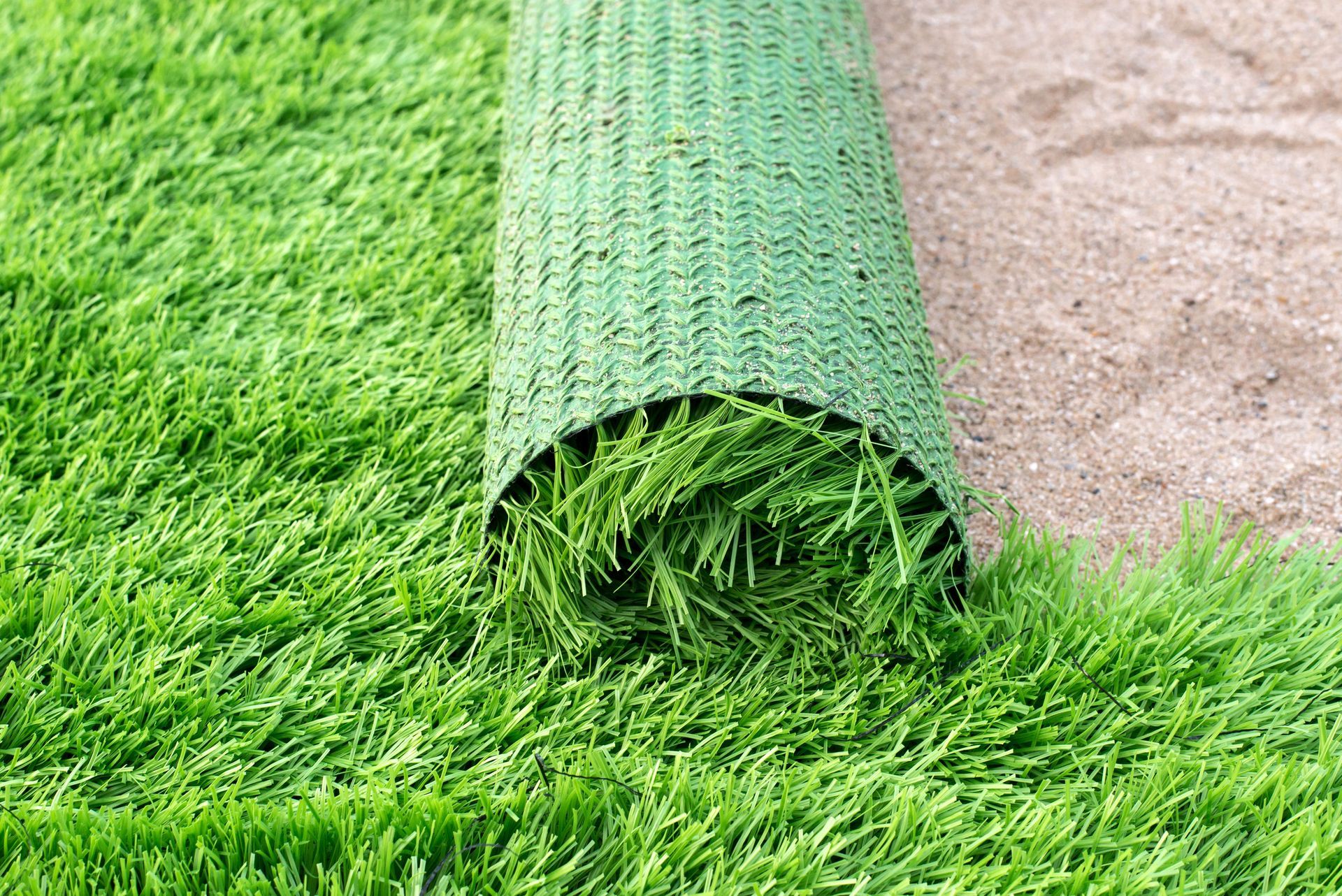
Regular upkeep is a cornerstone of landscape maintenance, but according to Home Guide, artificial turf typically lasts between 15 and 25 years and requires minimal maintenance. Its design also reduces routine tasks, although periodic cleaning is recommended to maintain hygiene and aesthetic appearance. The synthetic fibers bestow durability, diminishing the need for frequent attention typically necessitated by natural landscapes.
Pest and Weed Management
Pest and weed management represents a distinctive challenge across ground cover options. A proper application of mulch facilitates natural pest deterrence by promoting a healthy ecosystem with predatory insects; artificial turf takes this benefit even further, significantly reducing pest presence due to its non-organic nature and virtually eliminating the habitat that pests find appealing.
Cleaning and Sanitation
Both mulch and artificial turf require routine cleaning and sanitation to ensure optimal appearance and health. For mulch, this process is relatively low-tech, involving raking debris, turning layers to promote aeration, and checking for fungal growth. Artificial turf cleaning is primarily concerned with maintaining surface hygiene, achieved by sweeping away debris, hosing down problem areas, and sometimes using cleaners for stubborn stains. The impermeable nature of the turf enhances sanitation, significantly reducing the risk of organic build-up and related health concerns present with natural lawns.
Tools and Equipment Required
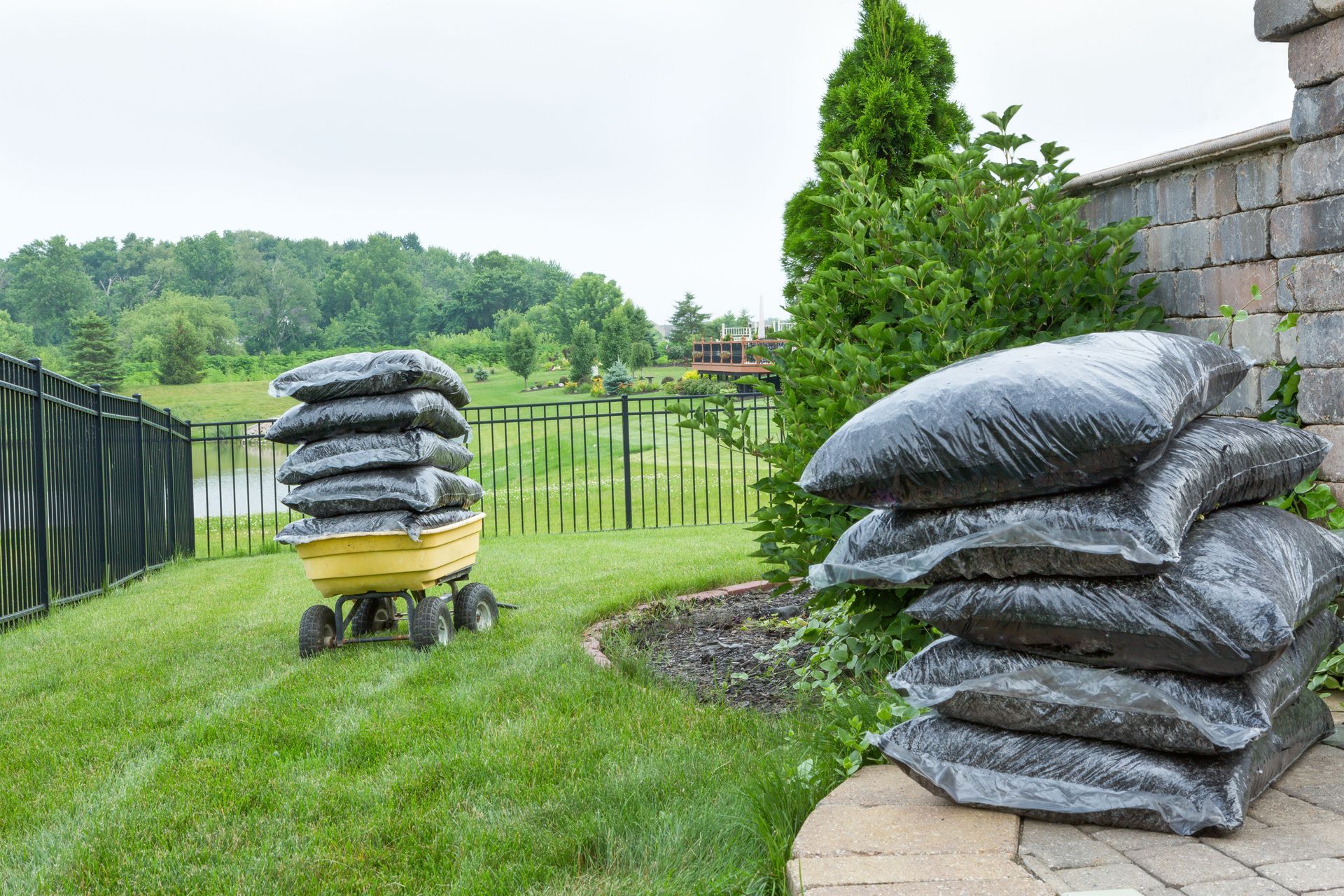
The tools and equipment necessary for upkeep differ markedly between the two options. Maintaining mulch typically involves gardening implements such as rakes, gloves, and wheelbarrows for moving and spreading material. Artificial turf maintenance utilizes equipment like leaf blowers for cleaning, a hose for rinsing, and occasionally a mechanical brush or vacuum designed for synthetic grass.
Aesthetic Appeal
Visual Differences
The visual differences between mulch and artificial turf are apparent and impactful. Mulch provides a naturalistic, earthy appearance, its texture and color varying based on material—ranging from deep russet hues of bark to lighter tones of straw. It integrates seamlessly with organic gardens and landscapes, promoting an impression of lush greenery supported by organic underlay. In contrast, artificial turf offers the look of an ever-vibrant, uniformly green lawn with a consistently neat presentation. This visual consistency makes turf a popular choice for contemporary, manicured garden designs.
Texture and Feel
The texture and feel profoundly influence user experience in landscapes. Mulch offers a rustic feel, its texture evolving from smooth strands of straw or ragged bark chips, providing a functional surface for diverse garden styles. Artificial turf, characterized by synthetic fibers, aims to mimic the softness of natural grass, offering a cushioned surface suitable for recreation and play areas.
Color Variations and Options
Color variations play a pivotal role in accommodating aesthetic preferences. Mulch is available in a spectrum of earthy tones, such as rich browns, vibrant reds, and subtle golds, each imparting distinct character to the landscape. This variability supports design creativity and can complement plant selections by contrasting or harmonizing with foliage colors. Artificial turf provides options primarily within the green palette, spanning from dark to bright shades, formulated to resemble natural grass in different seasons. This offers consistent coloration, delivering aesthetic reliability throughout its lifespan.
Integration with Natural Elements
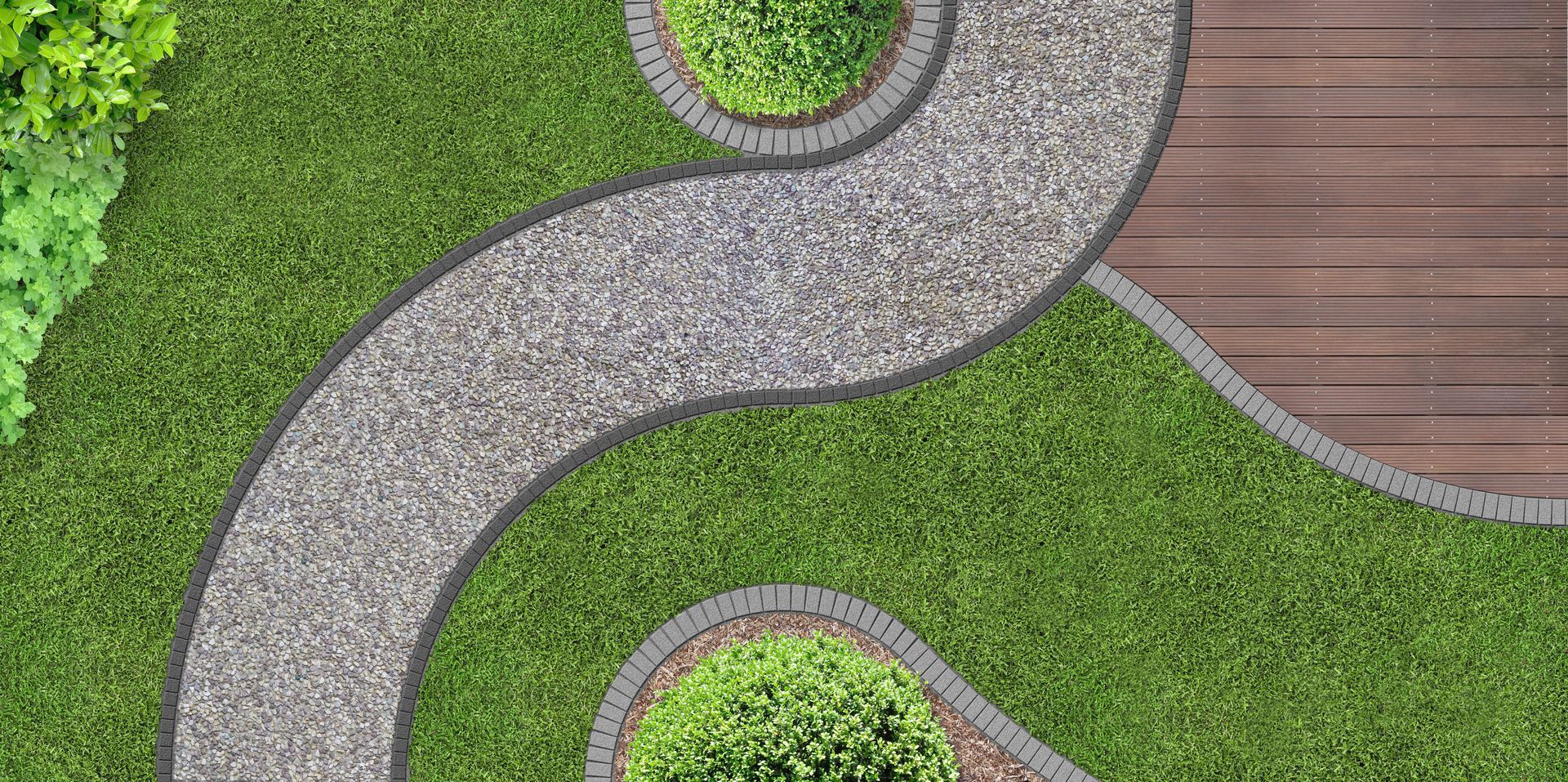
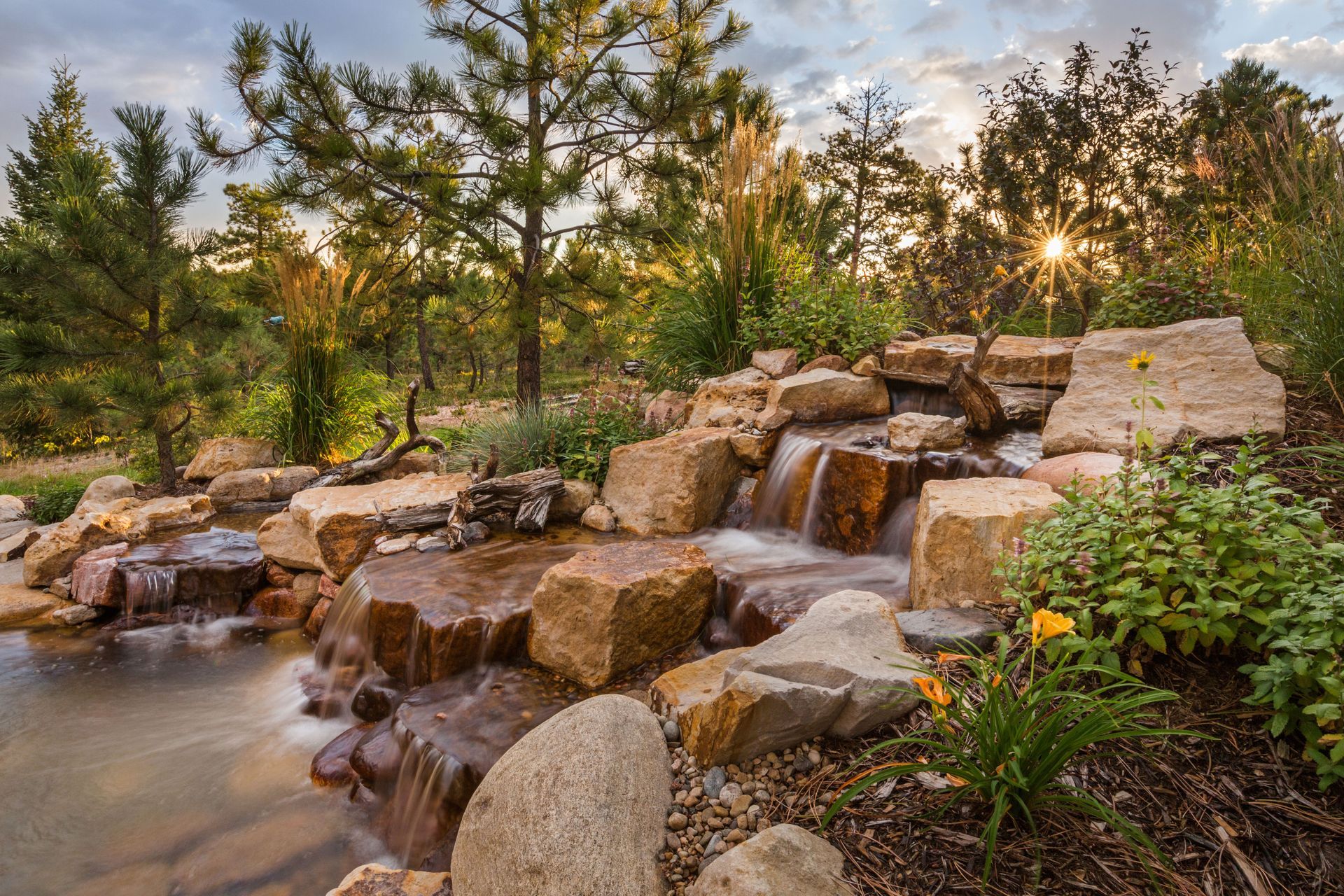
The ability to integrate seamlessly with natural elements is a significant consideration for landscape design. Mulch blends effortlessly within organic settings, supporting transitions between plants, pathways, and water features without disrupting the garden's ambiance. It allows plants to stand out and creates continuity across different garden zones. In contrast, artificial turf offers a contrasting backdrop, perfect for contemporary designs seeking a minimalist ethos—its clean lines juxtapose beautifully with natural stone, sculptured plants, or modern architectural features. This integration flexibility demonstrates how each ground cover aligns with distinct aesthetic philosophies.
Customization and Design Flexibility
Customization and design flexibility are central to implementing personalized landscapes. With mulch, customization extends to choosing materials, colors, and installation techniques that embody rustic charm or refined elegance. It can be layered creatively, complementing other natural elements to produce a dynamic visual field. Artificial turf provides precision in design layouts, allowing intricate patterns, and contours tailored to suit precise landscaping visions. It can effectively bridge design styles by blending contemporary lawns with checkerboard patterns or thematic grounds, promising artistic expression across residential to commercial contexts.
Versatility
Application in Various Landscape Designs
Adapting to versatile landscape designs reveals the multifaceted potential of both materials. Mulch integrates easily within various garden settings, complementing the organic aesthetic of natural and rustic designs, and promoting biodiversity while encouraging sustainable landscaping. Artificial turf's adaptability shines in modern or minimalist landscapes, offering high-functionality with its uniform surface ideal for sports areas, pet zones, and child-friendly lawns. This versatility allows both substances to uniquely fill niche roles within broader landscape architecture.
Usage in Residential versus Commercial Properties
When exploring usage across residential and commercial properties, each option brings distinct advantages. Residential spaces benefit from mulch, which encourages vibrant garden ecosystems contributing to homeowner satisfaction through aesthetics and environmental impact. It also supports organic gardening practices, a growing residential trend. Artificial turf finds pronounced appeal in commercial settings, delivering low-maintenance, visually appealing grounds with consistent quality. Its durability withstands higher foot traffic, suitable for business landscapes prioritizing cost-efficiency over extensive upkeep, presenting professional appearances with minimal supervision.
Compatibility with Garden Features
Compatibility with existing garden features explores how each option complements architectural and natural elements. Mulch harmonizes with organic materials, enhancing paths, ponds, and planters through smooth integration, emphasizing their natural attributes. Strategic placement can accentuate features while promoting ecological value. Artificial turf presents complementary characteristics alongside modern elements; its uniform surface contrasts with complex topography, enhancing stones, metallic sculptures, or water features. This diversity in compatibility showcases how each material aligns with contrasting design philosophies, accommodating a breadth of garden visions.
If you're weighing whether mulch or artificial turf is the right choice for your yard, reach out to SuperScape Supply today for landscaping expertise and supplies!