Daniel Greene | June 16, 2026
June 16, 2026
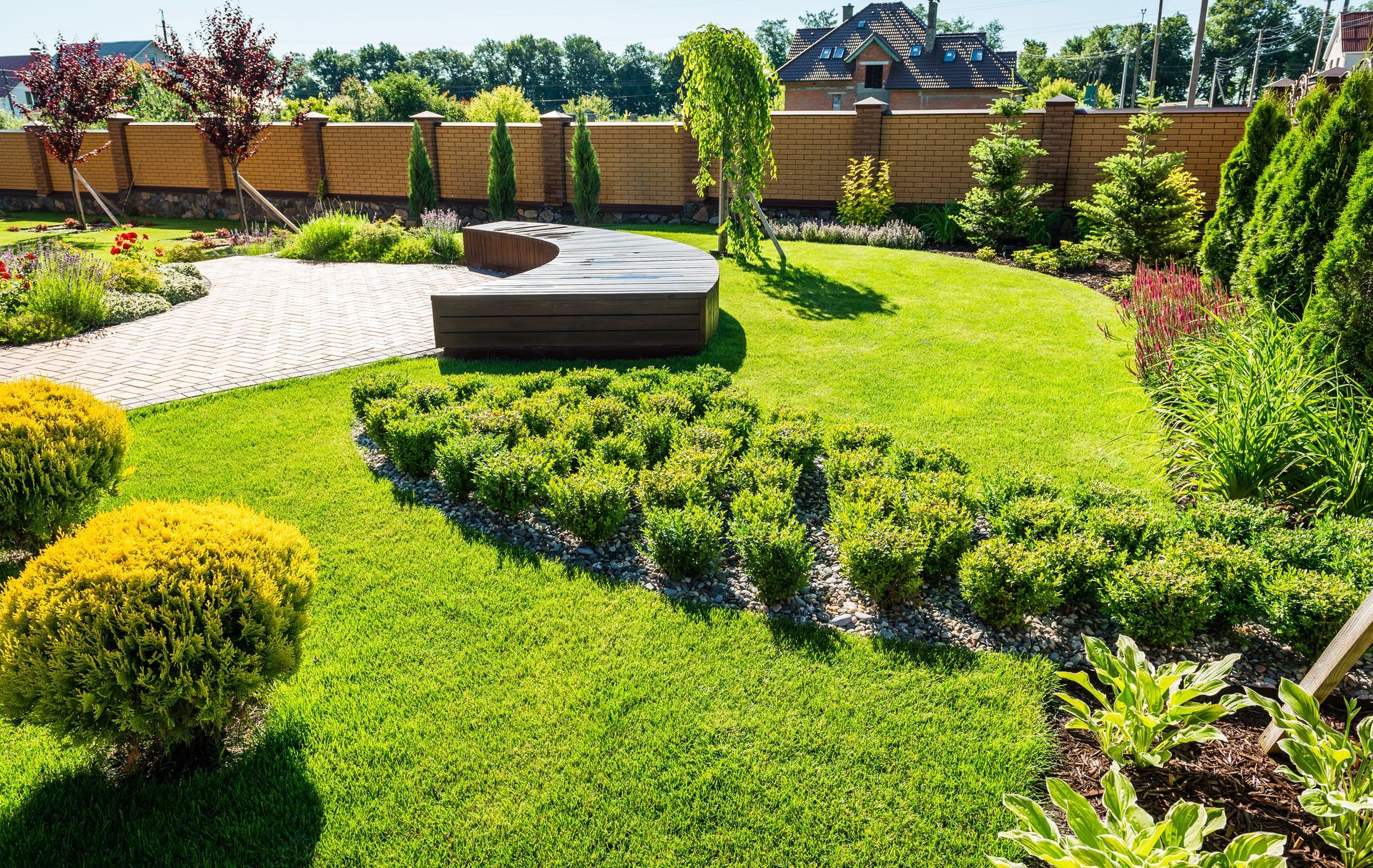
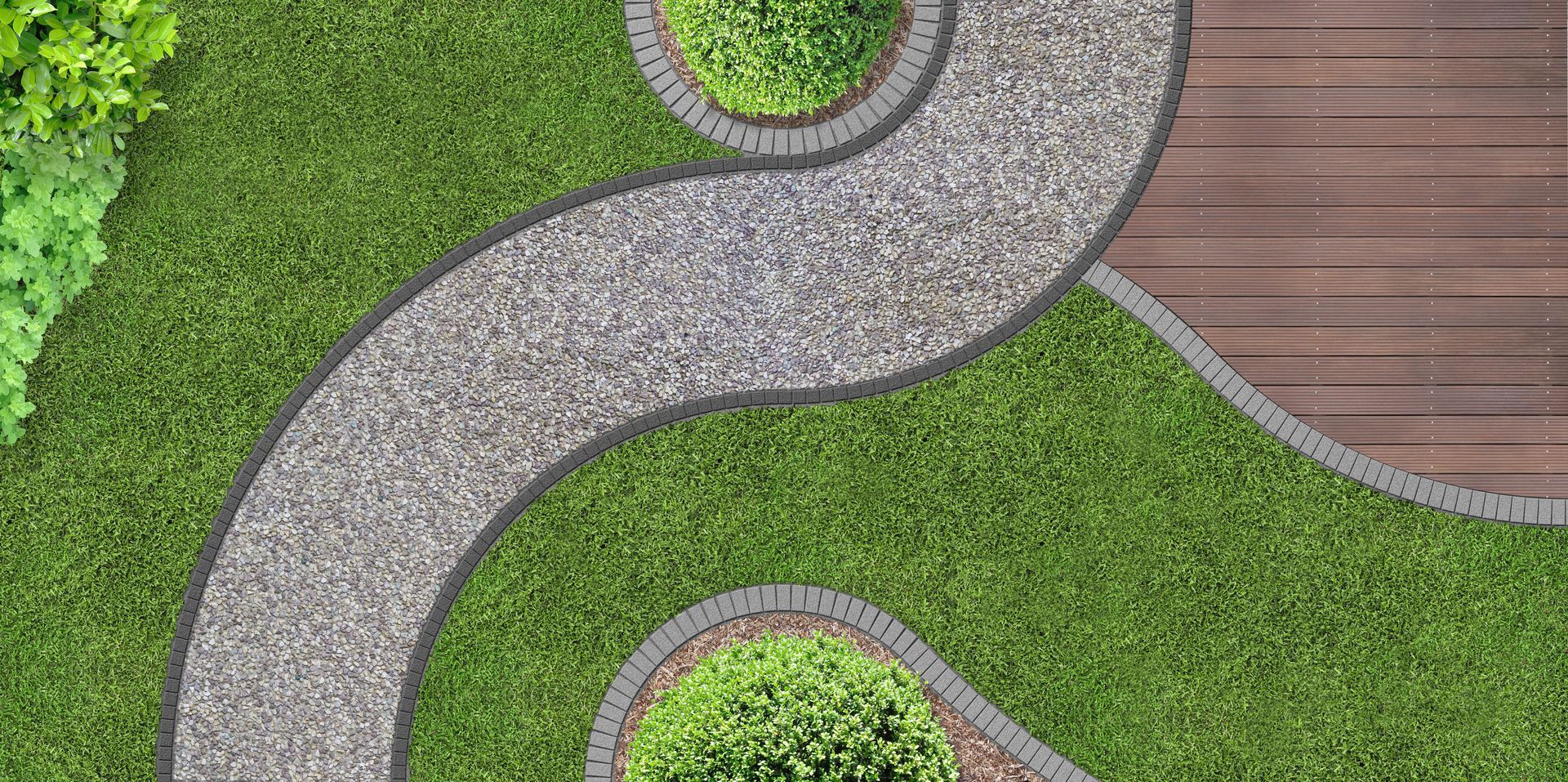
Landscaping has evolved far beyond simply planting flowers and mowing the lawn. Today’s homeowners are looking for ways to create beautiful, sustainable, and low-maintenance outdoor spaces that add value to their properties. As a result, professional mulch services have become an increasingly important part of landscape design and maintenance. From improving plant health to enhancing curb appeal, mulch plays a vital role in modern landscaping practices.
At the same time, homeowners are paying closer attention to broader landscaping trends that prioritize environmental responsibility, water conservation, and long-term property value. Understanding how mulch fits into these trends can help property owners make informed decisions about their outdoor spaces. Whether you are planning a complete landscape makeover or simply looking to improve the health of your garden beds, staying informed about mulch services and current landscaping innovations can help you achieve better results.
What Are the Benefits of Using Mulch in Landscaping?
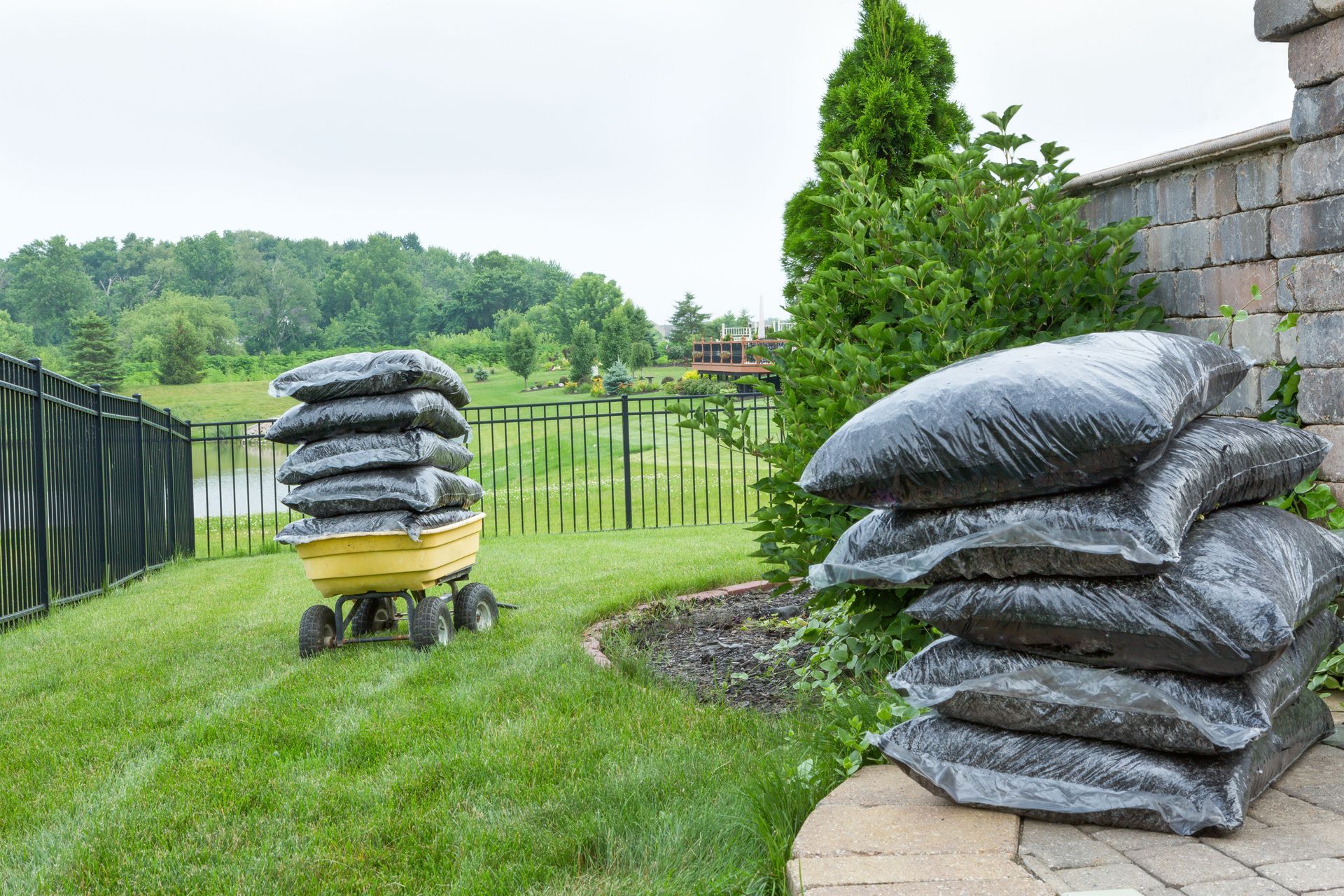
Mulch offers numerous benefits that make it one of the most valuable tools in landscape management. Available in a variety of materials, including shredded bark, wood chips, pine straw, and organic compost blends, mulch serves both practical and aesthetic purposes.
One of the primary benefits of mulch is moisture retention. By covering the soil surface, mulch helps reduce evaporation, allowing plants to access water for longer periods. This is particularly important during hot summer months when drought conditions can stress plants and increase watering requirements.
Mulch also helps regulate soil temperature. During warm weather, it acts as an insulating layer that keeps soil cooler. In colder seasons, mulch helps protect plant roots from temperature fluctuations that can damage sensitive vegetation.
Another significant advantage is weed suppression. A properly applied layer of mulch blocks sunlight from reaching weed seeds, reducing their ability to germinate and grow. This decreases the amount of time homeowners spend pulling weeds and maintaining garden beds.
Organic mulches provide additional benefits as they decompose over time. As they break down, they add valuable nutrients to the soil, improving soil structure and supporting healthy plant growth. This natural process contributes to healthier landscapes while reducing the need for supplemental fertilizers.
How to Choose the Right Mulch Service for Your Needs?
Selecting the right provider is an important step in maximizing the benefits of mulch. Not all mulch services offer the same level of quality, expertise, or materials, so homeowners should carefully evaluate their options.
One of the first considerations is the quality of the mulch itself. High-quality mulch is free from contaminants, excessive debris, and invasive plant materials. Reputable providers source mulch from reliable suppliers and ensure that products meet industry standards.
Experience is another important factor. Established mulch services often have extensive knowledge about local soil conditions, climate patterns, and plant species. This expertise allows them to recommend appropriate mulch types and application methods for specific landscapes.
Homeowners should also consider the range of services offered. Some companies provide mulch delivery only, while others handle installation, bed preparation, edging, and ongoing maintenance. Comprehensive services can save time and ensure consistent results.
Cost is naturally an important consideration, but it should not be the sole deciding factor. The least expensive option may not always provide the best value if lower-quality materials or improper installation lead to future problems. Comparing estimates while evaluating service quality can help homeowners make informed decisions.
Environmental impact is becoming increasingly important as well. Many mulch services now offer eco-friendly products made from recycled wood materials or sustainably sourced organic matter. Choosing environmentally responsible options supports sustainable landscaping practices while reducing waste.
What Are the Latest Landscape Trends Involving Mulch?
Modern landscaping trends increasingly emphasize sustainability, resource conservation, and environmental stewardship. As a result, mulch has become a central component of many innovative landscape designs.
One growing trend is sustainable gardening. Homeowners are seeking environmentally friendly ways to maintain attractive landscapes while minimizing resource consumption. Organic mulch supports this goal by improving soil health, reducing water usage, and decreasing reliance on chemical treatments.
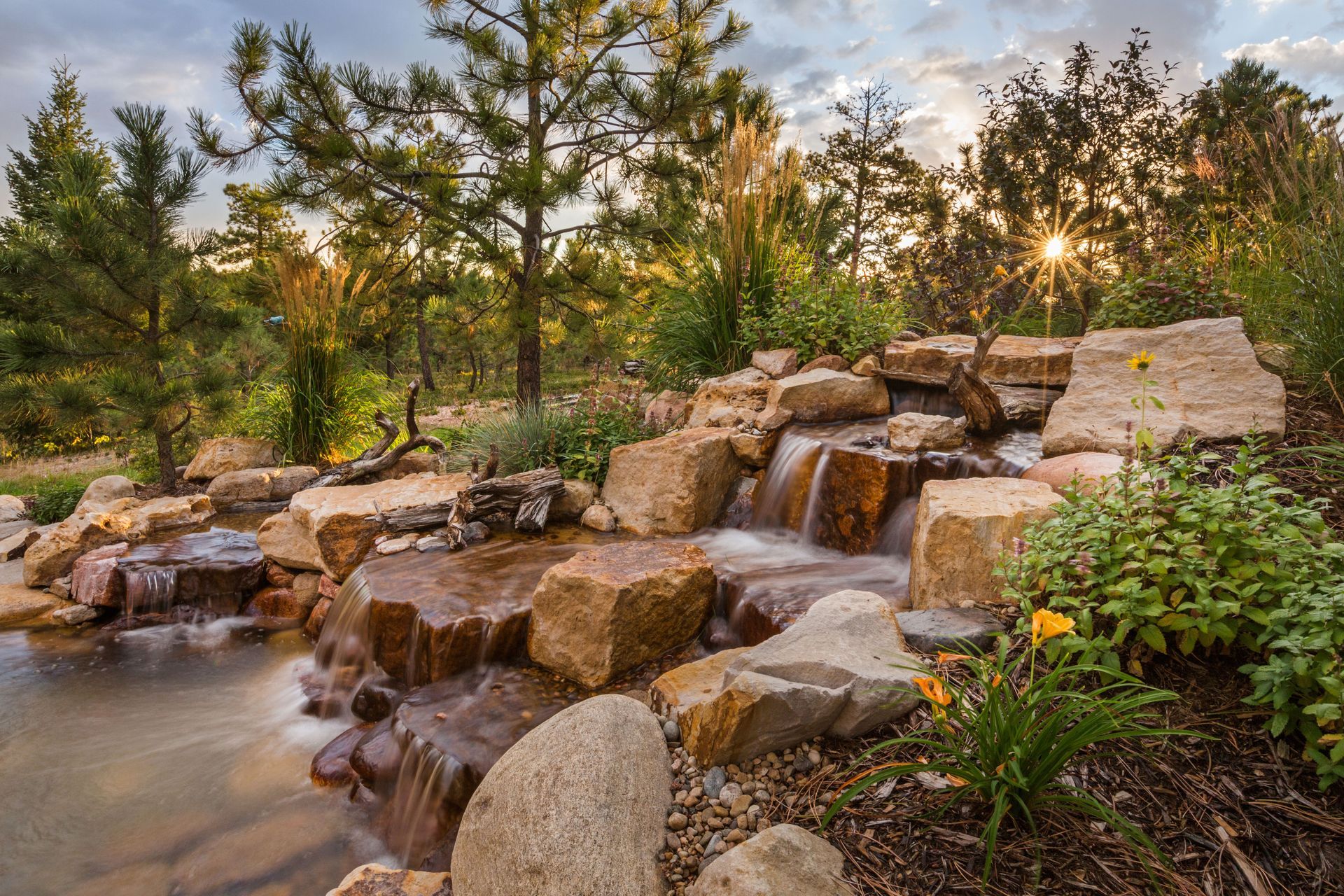
Xeriscaping has also gained popularity, particularly in regions that experience periodic drought conditions. Xeriscaping focuses on selecting drought-tolerant plants and reducing irrigation requirements. Mulch plays a crucial role in these designs by helping soil retain moisture and reducing evaporation.
Naturalistic landscape designs represent another emerging trend. Instead of highly manicured gardens, many homeowners prefer landscapes that mimic natural ecosystems. Organic mulch complements this style by creating a more natural appearance while supporting ecological health.
Color-enhanced mulch products continue to attract attention as well. These products allow homeowners to create visual contrast and highlight landscape features through carefully selected color palettes. Professional mulch services often help clients choose colors that complement home exteriors and existing plantings.
Edible gardens and pollinator-friendly landscapes are also becoming increasingly common. Homeowners are incorporating vegetable gardens, herb beds, and native flowering plants into their yards. Mulch helps support these gardens by conserving moisture and improving soil quality.
According to GlobeNewswire, the global artificial turf market reached nearly $3.92 billion in value during 2024. This growth reflects a broader trend toward low-maintenance landscaping solutions. While artificial turf and mulch serve different functions, many homeowners are combining both elements to create attractive outdoor spaces that require less ongoing maintenance.
How Often Should Mulch Be Replaced or Refreshed?
While mulch provides long-lasting benefits, it does not last forever. Understanding when and how to refresh mulch is essential for maintaining a healthy and attractive landscape.
The frequency of replacement depends largely on the type of mulch used. Organic mulches naturally decompose over time as microorganisms break down the material. In most cases, mulch should be refreshed annually or every two years to maintain its effectiveness and appearance.
Several signs indicate that mulch may need attention. If the mulch layer has become noticeably thin, faded, compacted, or uneven, it may be time for replenishment. Excessive decomposition can reduce the mulch's ability to retain moisture and suppress weeds.
Homeowners should avoid simply piling new mulch on top of old layers year after year. Excessive mulch depth can restrict air circulation, trap moisture against plant stems, and potentially contribute to root problems. Professional mulch services typically recommend maintaining a mulch depth of approximately two to four inches, depending on the application.
Spring is often considered the ideal time for mulch installation and refreshing. Adding fresh mulch at the beginning of the growing season helps prepare landscapes for warmer temperatures and increased plant activity. However, fall applications can also provide benefits by protecting roots during colder months.
Can Mulch Help Reduce Landscape Maintenance?
One of the most appealing aspects of mulch is its ability to significantly reduce landscape maintenance requirements. For busy homeowners, this benefit alone often justifies investing in professional mulch services.
Weed control is perhaps the most obvious maintenance advantage. By suppressing weed growth, mulch reduces the time and effort required for manual weed removal. Fewer weeds also mean less competition for water and nutrients, benefiting desirable plants.
Moisture retention further reduces maintenance demands by decreasing irrigation frequency. Landscapes that retain moisture more effectively require less watering, saving both time and utility costs.
Mulch also helps protect soil from erosion caused by rainfall and wind. This preservation of soil structure reduces the need for corrective landscaping measures and helps maintain stable planting areas.
Another benefit is improved plant health. Healthier plants generally require fewer interventions, including pest management, disease treatment, and replacement. The insulating properties of mulch create more stable growing conditions that support long-term plant success.
Mulch remains one of the most effective and versatile tools in modern landscaping. From improving soil health and conserving moisture to reducing maintenance requirements and enhancing curb appeal, the benefits are substantial. Professional
mulch services help homeowners select appropriate materials, apply them correctly, and maintain optimal landscape performance. As sustainable gardening, xeriscaping, and low-maintenance landscape designs continue to gain popularity, understanding the role of mulch can help homeowners make smarter decisions and create outdoor spaces that remain healthy, attractive, and functional for years to come. If you need landscaping, reach out to the team at SuperScape Supply today!